Monopoly: An In-depth Examination
Understanding the Concept of Monopoly
Monopoly is a term that not only defines a popular board game but also a complex economic and market condition. In both contexts, the essence of monopoly is dominance and control. While the game of Monopoly provides entertainment and educates players about property management, a monopoly in the economic sense involves a single entity's control over a particular commodity, product, or service. This control can influence market prices, availability, and even the quality of goods and services offered to consumers.
The Cultural Phenomenon of Monopoly the Game
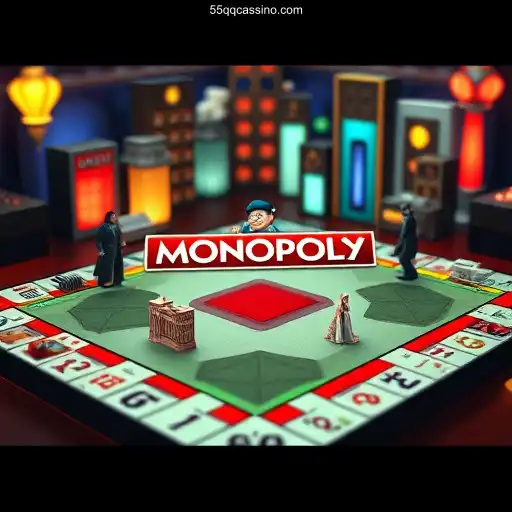
The board game Monopoly has captured the imagination of millions worldwide since its inception in 1935. Known for its unique blend of strategy, risk-taking, and financial acumen, Monopoly simulates the business world by allowing players to buy, sell, and trade properties to achieve dominance over their competitors. This game's enduring popularity can be attributed to its ability to adapt to contemporary markets and preferences, evolving with various editions and themes that reflect current cultural trends.
55QQ Cassino: A Modern Spin on Monopoly
In the digital age, the concept of monopoly has expanded beyond physical boards into virtual casinos. The rise of online casinos such as 55QQ Cassino online licenciado com 2.500+ jogos certificados, bônus R$ 5.000🍀 has revolutionized the gaming industry by offering a plethora of gaming options to a global audience.
The 55QQ Cassino stands out as a licensed, reputable platform that provides gamers with over 2,500 certified games. This vast selection ensures that there is something for every type of player, from classic games to innovative new entries in the online gaming sphere. The introduction of a R$ 5,000 bonus offers an added incentive for players, enhancing their gaming experience and potentially increasing their winnings.
Economic Monopoly vs. Gaming Monopoly
While the gaming community sees Monopoly as a source of enjoyment, the economic implications of real-world monopolies can often be more severe. An economic monopoly occurs when a single company or group owns the entirety or majority of a market for a particular good or service, effectively eliminating competition. This situation enables the dominant entity to set prices, influence consumer choice, and stifle innovation.
Such market conditions have often led to legal and regulatory scrutiny to prevent the abuse of market power. Authorities around the world implement antitrust laws to foster competition and protect consumers' rights.
Monopoly in the Digital Age
The advent of digital economies and online platforms has transformed the way monopolies are formed and maintained. Digital giants often achieve monopoly status by capturing vast amounts of data, owing to their deep integration into daily life and consumer habits. The control over information, platform access, and a broad customer base gives these entities a significant competitive edge, similar to the concept of property ownership in the Monopoly board game.
The Role of Casinos in Shaping Market Dynamics
Online casinos, like 55QQ Cassino, play a pivotal role in shaping market dynamics by introducing competition within the gaming industry. These platforms challenge traditional casino establishments and other online gaming sites by offering unique features like extensive game libraries and substantial bonuses. The increased competition among casinos leads to improved offerings for consumers, potentially benefiting the players in terms of choice, reward schemes, and innovation in gaming technology.
How Regulations Affect Online Casinos
Regulatory frameworks are crucial in preventing any form of monopoly in both physical and digital casinos. Licenses, such as those obtained by 55QQ Cassino online licenciado com 2.500+ jogos certificados, bônus R$ 5.000🍀, ensure that operators adhere to stringent protocols for fairness and security. These measures protect players while promoting fair play among operators, thereby maintaining a healthy diversity in the market.
The Future of Monopoly in Gaming and Markets
As we look to the future, the landscape of both the gaming world and economic markets will continue to evolve. The potential for monopoly to influence these sectors remains significant, necessitating vigilant regulatory oversight and innovative responses from both industry players and consumers.
The ongoing interplay between regulation, consumer behavior, and innovation will shape the future course of monopolies, ensuring diverse and competitive markets along with dynamic gaming opportunities. Ultimately, just as successful players in Monopoly the board game must adapt to changing dynamics, so too must companies and consumers adapt to the shifts in real-world monopolistic practices.